
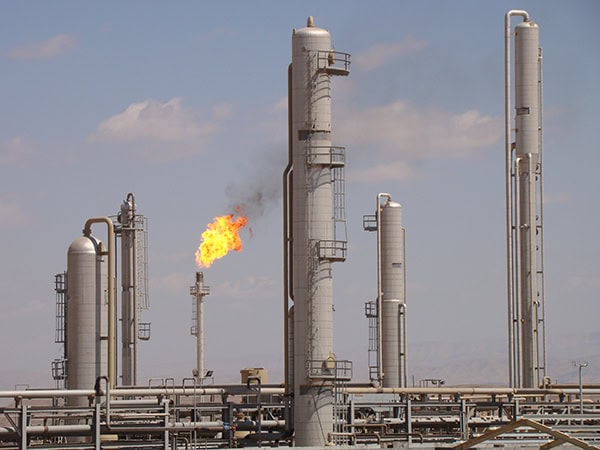
Production exceeded 500 MMboe cumulatively between 2008 and 2025, and is ongoing presently.
With KM250 completed in 2025, production capacity increased to 750 MMscf/d.
Enabled US$38.3 billion in fuel cost savings and avoided approximately 63.1 million tonnes of CO₂e emissions through fuel substitution for the KRI since 2008.
Supplies more than 80% of KRI electricity generation, with further expansion planned at Khor Mor and Chemchemal.
Crescent Petroleum entered the Kurdistan Region of Iraq (KRI) in 2007, signing landmark agreements with the Kurdistan Regional Government for exclusive rights to appraise, develop, produce, market, and sell petroleum, including natural gas, domestically and for export, from the Khor Mor and Chemchemal fields.
First gas was delivered from Khor Mor within just 15 months, setting an industry record. Gas began flowing through a newly built processing facility and a 180 km dedicated pipeline network to power plants in Erbil and Suleymaniyah, marking the start of a fundamental shift in the region’s energy system.
In 2009, Pearl Petroleum was established as a consortium with Crescent Petroleum and Dana Gas as joint operator of the fields, each with a 35% share. At that time, OMV, Austria’s largest listed industrial company, and MOL, Hungary’s leading oil and gas group, acquired 10% stakes each in Pearl Petroleum. In 2015, RWE, a German multinational energy company, joined the consortium by acquiring a 10% interest.
Together, Pearl’s partners have combined regional expertise with international technical capability and financial strength, to enable the long-term development of one of the most significant private energy projects in Iraq.
Following initial development, Crescent Petroleum and our partners continued to invest in expanding production and infrastructure.
Early phases included the installation of gas processing facilities, pipeline infrastructure, and LPG production capacity. Over time, a series of optimisation and debottlenecking programmes increased production capacity to approximately 500 MMscf/d.
To meet growing demand, the partners launched the KM250 expansion project, a US$1.1 billion development supported by international financing from the U.S. International Development Finance Corporation (DFC), UAE-based bank facilities, and a US$350 million senior secured bond issued in 2024 and listed on the Nordic Alternative Bond Market, making it one of the largest private-sector infrastructure developments undertaken in Iraq in recent years.
The KM250 expansion project, commissioned in October 2025, increased production at Khor Mor by 50% from 500 MMscf/d to 750 MMscf/d. The expansion reinforces power generation across the KRI, to support industrial growth, underpin the KRG’s Runaki initiative to deliver 24-hour electricity, and enable energy supply to other parts of Iraq.
Over nearly two decades, the Kurdistan Gas Project has become a cornerstone of the region’s economy.
Gas from Khor Mor now fuels more than 80% of electricity generation in the KRI, providing reliable and affordable energy to homes, businesses, and industry.
According to an assessment by PwC, the project has:
The project has also supported substantial employment and local participation, generating tens of thousands of jobs across construction, operations, and the wider economy.
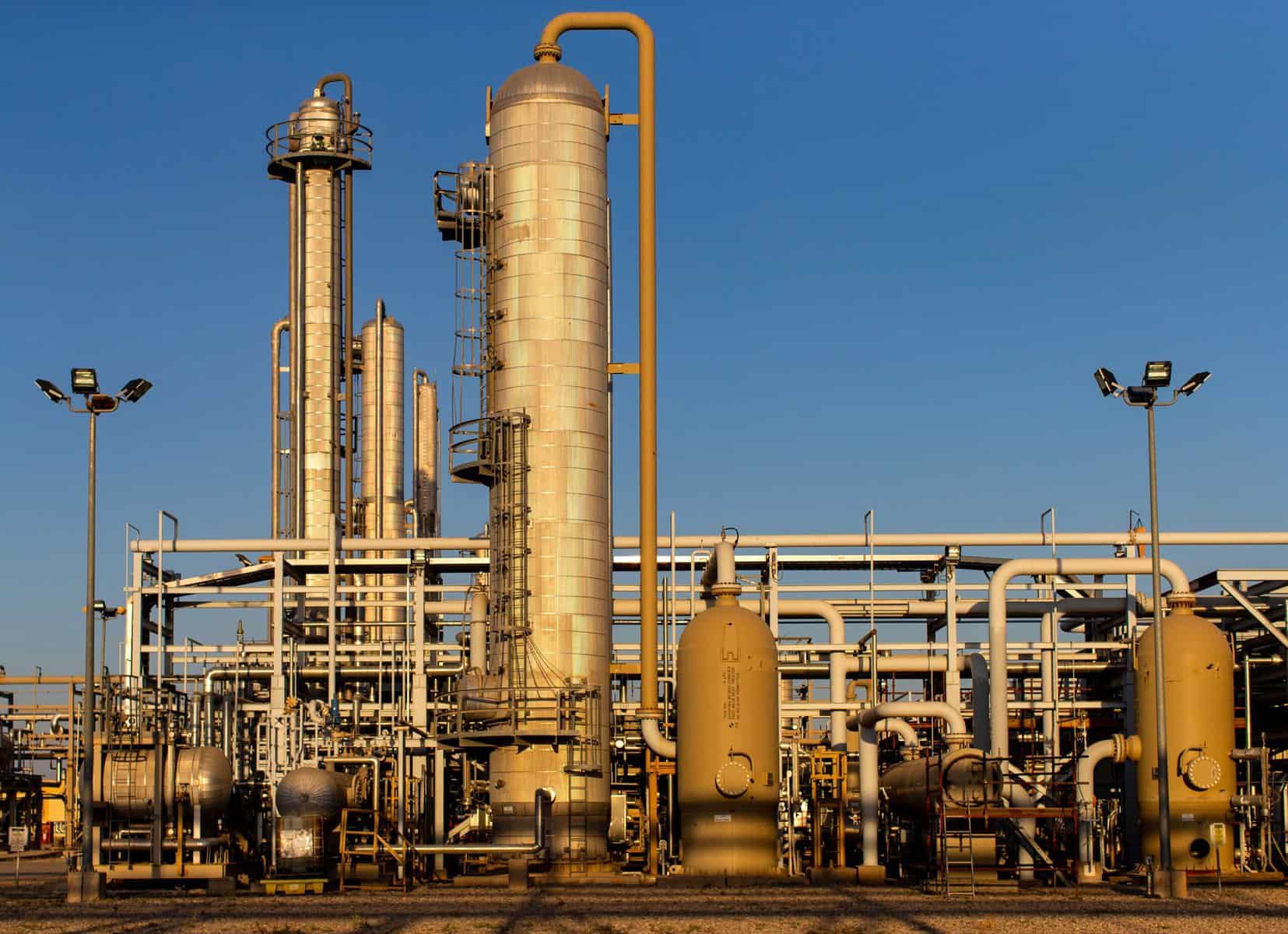
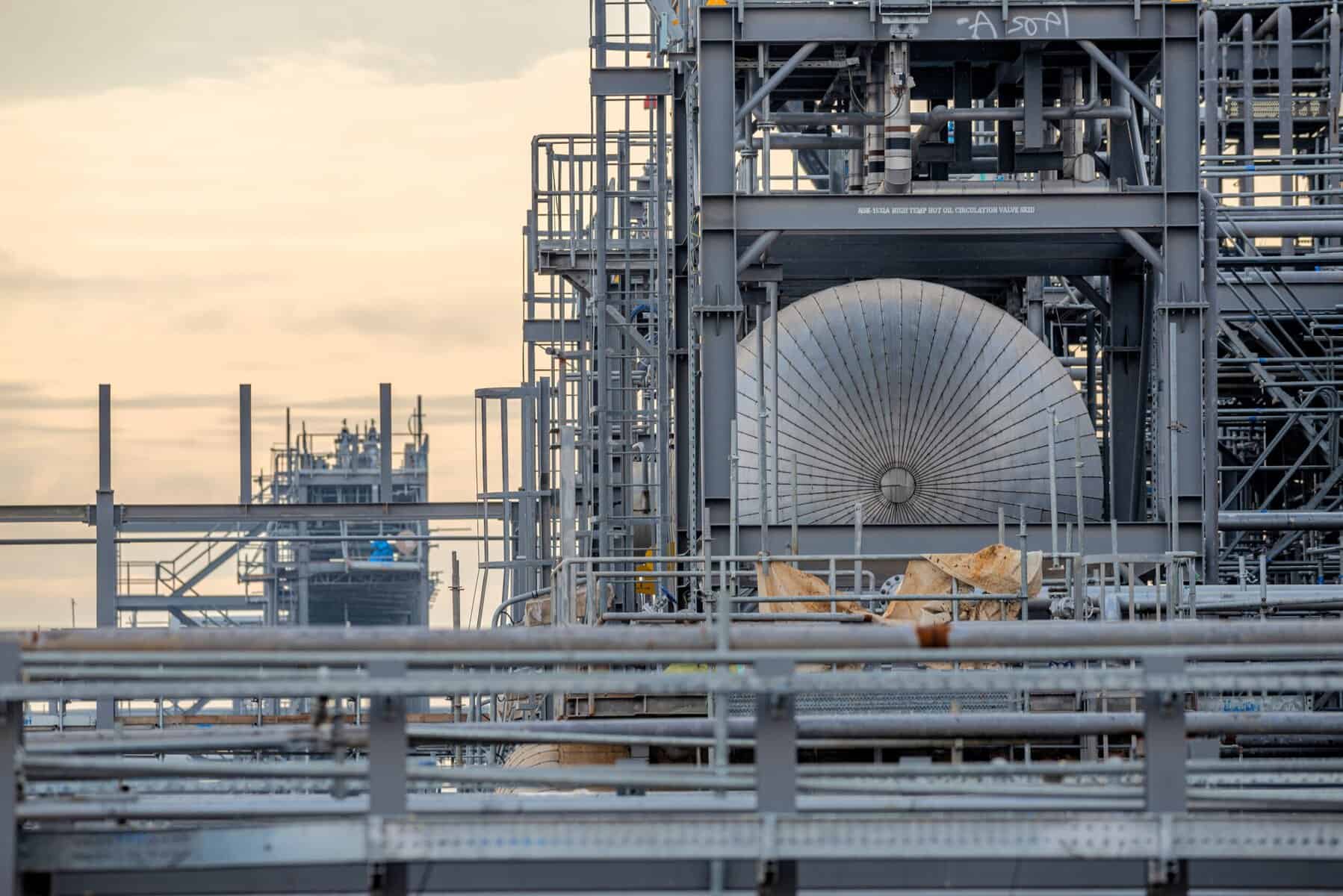
Building on the success of Khor Mor, Crescent Petroleum and our partners in Pearl Petroleum are exploring the substantial potential of the Chemchemal field.
The development programme is appraising key reservoirs with plans to commence production of up to 75 MMscfd. The partners have committed $160 million to drill three wells, install an extended well test (EWT) facility, and construct associated enabling infrastructure.
The consortium signed gas sales agreements with KRI’s major cement and steel customers who have committed to purchase up to 142 MMscf/d over a 10-year period once production commences. This expands into new end-use sectors while helping industrial users displace more carbon-intensive fuels.